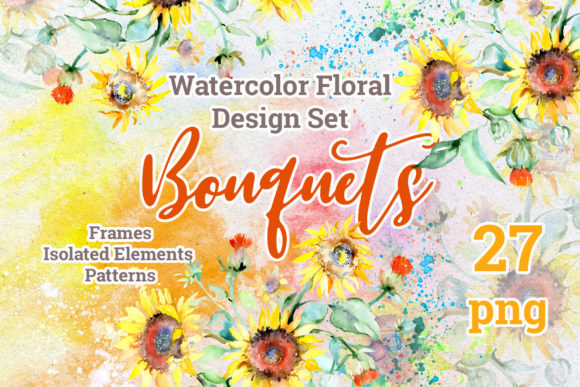
Unlock Creative Possibilities with Fuchsia Watercolor PNG Clipart
If you have ever searched for a design element that feels both elegant and versatile, you have likely come across watercolor clipart. Among the most captivating options available today is Fuchsia Watercolor—a vibrant, hand-painted collection that brings a rich magenta-pink hue to any project. Whether you are designing wedding invitations, crafting greeting cards, writing a blog, or creating social media posts, these digital assets offer endless creative potential. This article explores what Fuchsia Watercolor clipart is, what the typical 9-file pack contains, and how you can use these elements in your own work.
What Is Fuchsia Watercolor Clipart?
Fuchsia Watercolor clipart refers to a set of digital illustrations created using traditional watercolor painting techniques, then scanned or photographed at high resolution and saved as PNG files. The term "fuchsia" describes the vivid pink-purple color that characterizes the set. Each element is hand-painted, giving it an organic, artistic feel that differs from flat, vector-based graphics.
A standard pack, such as the one described, includes 9 individual files that cover a range of design needs. These files typically consist of:
- Frames – ready-to-use borders that can encase text or images
- Borders – decorative edges for cards, flyers, or certificates
- Patterns – repeating or standalone designs for backgrounds
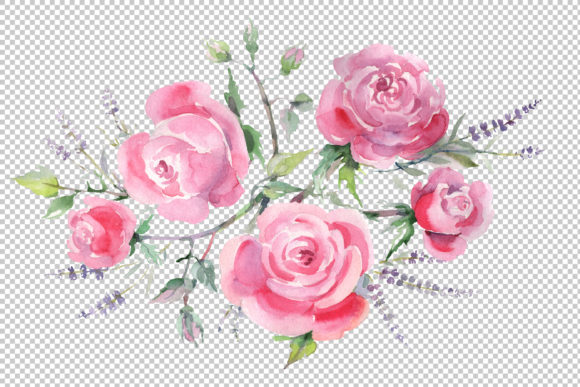
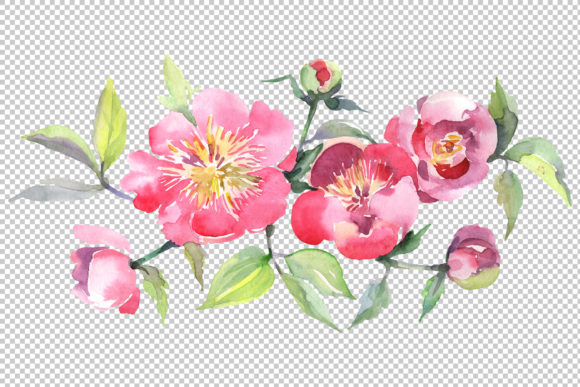
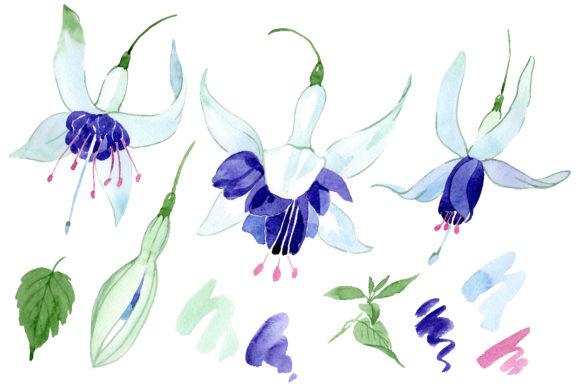
- Isolated elements – individual painted shapes like flowers, leaves, splashes, or abstract strokes
All illustrations are highly detailed, meaning you can see the subtle brush strokes, color blending, and texture that make watercolor art so appealing.
Technical Details That Matter
Before diving into creative uses, it helps to understand the format and quality of these files. This knowledge ensures you choose the right assets for your specific project.
PNG Format with Transparent Background
Each graphic is a PNG file at 300 dpi (dots per inch). This means the image has a transparent background, allowing you to place it on any colored surface—paper, digital canvas, fabric, or wall—without a white box around it. The 300 dpi resolution ensures that the image remains sharp when printed, even at larger sizes.
Patterns and Frames in High-Resolution JPG
Some elements, especially patterns and frames, are provided as JPG files sized 3500x3500 pixels. This resolution is excellent for both print and digital use. A 3500-pixel square image can be printed at roughly 7–12 inches on paper or used as a full-screen background on most devices without distortion.
Editable Size and Colors
One of the most practical features of this pack is that the elements are fully editable in size and color. Since the files are high-resolution PNG and JPG, you can resize them in any image editing software (like Adobe Photoshop, Canva, GIMP, or Affinity Designer) without losing quality. Many users also adjust colors using hue/saturation tools to match a specific palette, making the fuchsia set adaptable to different themes.
How to Use Fuchsia Watercolor Elements
The possibilities are truly endless, but here are several common and creative applications to inspire you.
1. Wedding Invitations and Stationery
Fuchsia is a popular color for weddings, especially for modern, romantic, or bohemian themes. Use the frames and borders to encase your invitation text. Layer an isolated floral element on the corner of a save-the-date card. The transparent PNG files allow you to place these watercolor touches over a textured paper background or a favorite photo of the couple. The hand-painted look adds warmth that flat digital fonts often lack.
2. Greeting Cards for Any Occasion
Whether it is a birthday, anniversary, get-well, or thank-you card, fuchsia watercolor elements bring a personal, handmade feel. You can print the frames and write your own message inside, or use the patterns as a full-card background. For digital cards, simply drag the PNG onto your canvas and add text. The isolated elements work beautifully as decorative accents around a central message.
3. DIY Home Decor and Wall Art
Print the patterns or frames on high-quality paper and frame them as minimalist art. Alternatively, use the isolated elements to create your own collage on canvas. The 300 dpi resolution ensures that printed results look crisp and gallery-worthy. Because the elements are hand-painted, each printed piece retains the authenticity of original watercolor art.
4. Blog Graphics and Social Media Posts
Bloggers and content creators love watercolor clipart for its soft, visually engaging style. Use a fuchsia border around a quote image, or place an isolated watercolor splash behind your blog title. The transparent background lets you overlay these elements on photos or solid color blocks without awkward edges. For Instagram stories or Pinterest pins, these graphics help your content stand out in a sea of flat icons.
5. Posters and Flyers
Promotional materials for events like art shows, workshops, or product launches benefit from artistic flair. A fuchsia watercolor frame can draw attention to event details without overwhelming the text. Patterns can serve as a full-page background if printed with light opacity. The high resolution ensures that large-format prints remain sharp.
6. Digital Scrapbooking and Journaling
If you keep a digital journal or scrapbook, these elements are ideal for layering. Drop a pattern onto a page, then add an isolated flower or leaf. Use the borders to section off different days or topics. The consistent color palette keeps your pages cohesive while the hand-painted variety adds visual interest.
Why Hand-Painted Aquarelle Elements Are Special
The term aquarelle is simply the French word for watercolor. What makes hand-painted aquarelle elements different from digitally generated watercolor effects? Several qualities stand out:
- Texture and depth – Real brush strokes, uneven pigment distribution, and subtle paper grain create a natural look that algorithms struggle to replicate.
- Unique imperfections – Slight variations in shape and color saturation give each element character. No two files are identical, which lends authenticity to your designs.
- Artistic credibility – Using hand-painted elements shows that you value craftsmanship and quality. This is especially important for wedding invitations or professional branding.
Clarifying Common Misunderstandings
Watercolor clipart is sometimes confused with watercolor brushes or actions for design software. Here is what you need to know:
- Clipart vs. brushes: Clipart comes as pre-made images (PNG or JPG). Brushes are software tools that let you paint watercolor strokes yourself. If you want ready-to-use designs, clipart is the faster choice.
- Transparency vs. white background: A PNG with no background means the image sits directly on your canvas. A JPG file always has a solid background (usually white). The pack described gives you both options—PNG for versatility and JPG for patterns/frames that may need a base.
- Editable colors: While you can change colors in editing software, the organic watercolor blend may not respond the same way as a flat vector graphic. Experiment with hue shifts rather than complete recoloring for best results.
Practical Tips for Getting Started
If you are new to working with watercolor clipart, here are a few suggestions to make the most of your Fuchsia pack:
- Layer thoughtfully. Because these elements have transparent backgrounds, you can stack multiple pieces. Try placing a pattern behind a frame, then add an isolated flower on top. Adjust opacity for subtle effects.
- Pair with neutral backgrounds. Fuchsia is bold. White, cream, light gray, or soft blush backgrounds let the watercolor shine without competing for attention.
- Combine with typography. Use a frame to highlight key text. Ensure the font is legible—thin, delicate fonts pair beautifully with watercolor, but thicker sans-serif fonts can also work for contrast.
- Print on quality paper. For physical projects, textured cardstock or matte photo paper enhances the watercolor look. Avoid glossy paper that can make the colors seem harsh.
- Resize with care. While the 300 dpi files are high resolution, enlarging beyond their original dimensions may cause pixelation. Always keep a copy of the original file and resize from there.
Where Fuchsia Watercolor Fits Into Modern Design
In an age of hyper-polished digital design, hand-painted elements offer a refreshing return to authenticity. They bridge the gap between professional quality and handmade charm. For business owners, educators, and hobbyists alike, watercolor clipart provides a quick way to add artistic value without needing to paint from scratch.
The fuchsia palette is particularly relevant today. Deep pink tones are associated with creativity, compassion, and confidence. They work well across seasons—from spring florals to autumn celebrations—and pair easily with gold, silver, white, and other jewel tones.
Whether you are a seasoned graphic designer or someone creating invitations for a family event, the Fuchsia Watercolor pack offers a practical, beautiful solution. The combination of frames, borders, patterns, and isolated elements means you have everything you need to create cohesive, professional-looking designs in minutes.
Final Thoughts
Fuchsia Watercolor PNG clipart is more than just a collection of pretty images. It is a toolkit for creative expression. The nine files included in a standard pack give you a foundation to build invitations, cards, posters, blogs, and decor with a consistent, artistic style. Thanks to the transparent PNG format and high 300 dpi resolution, these elements are ready to print or use digitally right away. And because the items are hand-painted, each one carries the subtle beauty of real watercolor art.
If you are looking for a way to elevate your next project—whether for personal use or professional branding—consider what a splash of fuchsia watercolor can do. The possibilities are as wide as your imagination.