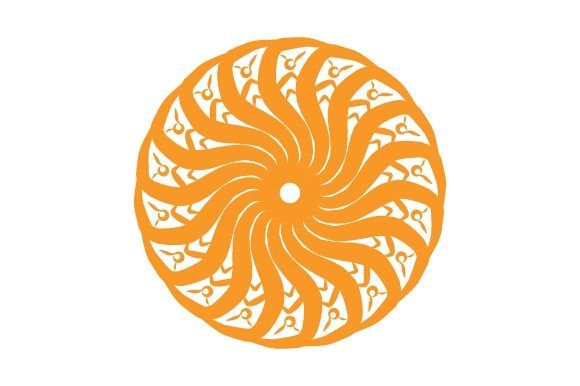
The Allure of the Unique Orange Mandala in Flat Style Design
There is something inherently captivating about a unique orange mandala. The color alone evokes warmth, creativity, and a sense of grounded energy. When you pair that with the symmetrical, meditative geometry of a mandala, you get a visual tool that is both decorative and deeply functional. The flat style approach has become a dominant force in modern digital and print design because it strips away unnecessary complexity, leaving only the pure essence of shape and color. A unique orange mandala created in this style is not just a pretty image; it is a versatile asset for projects ranging from home decor to personal wellness practices.
Mandalas themselves have a long history rooted in spiritual traditions, but the flat style reinvention makes them accessible and fresh for contemporary use. The orange palette brings a specific psychological impact. It is associated with enthusiasm, vitality, and transformation. Unlike a blue mandala which might calm and cool, or a black and white version which can feel stark, an orange mandala energizes a space without being overwhelming. The flat style amplifies this effect by using solid blocks of color, crisp edges, and minimal shading. The result is a design that feels confident, modern, and instantly readable. If you are looking for something that stands out on a wall, a screen, or a piece of craft paper, this combination delivers a unique visual experience that is hard to replicate with other color schemes or illustration techniques.
Why Flat Style Elevates the Mandala for Modern Projects
The decision to work with a unique orange mandala in flat style is not arbitrary. It solves a specific set of needs that traditional detailed mandalas often struggle with. Highly intricate mandalas with gradients, textures, and fine lines can lose their impact when scaled down or printed on certain materials. They can also feel busy or old-fashioned in minimalist interiors. Flat style addresses these issues head on.
- Scalability without loss of clarity: A flat style mandala uses solid shapes and clear negative space. This means it looks equally sharp on a smartphone wallpaper, a large poster, or a small craft sticker. The orange tones remain consistent and vibrant across different formats.
- Versatility across mediums: Because flat style relies on simple vector-friendly geometry, it translates beautifully into embroidery patterns, screen printing, vinyl decals, and even laser engraving. The solid orange sections are easy to work with for hobbyists and professionals alike.
- Integration into modern design systems: Many contemporary branding systems, websites, and home decor trends favor flat illustrations. A unique orange mandala slots into these environments naturally, providing a decorative element that feels intentional rather than dated or overly spiritual in a cliché sense.
Consider a scenario where you are designing a meditation app or a wellness website. You need visual elements that convey calm and focus but also feel energetic and modern. A detailed, shaded mandala might feel too heavy or traditional. A flat style orange mandala, on the other hand, offers a clean, upbeat aesthetic that appeals to a broad audience. It signals both mindfulness and modernity, which is a powerful combination for reaching users who are new to meditation or relaxation practices.
Wallpaper and Digital Backgrounds
One of the most popular uses for a unique orange mandala is as a wallpaper for phones, tablets, and desktops. The flat style ensures that icons and text remain legible against the background, while the orange hue provides a warm, uplifting daily visual. For those who practice digital productivity techniques like time blocking or mood setting, changing a wallpaper to an orange mandala can signal a shift into a creative or focused mindset. It is a subtle environmental cue that the brain interprets as a call to action or a moment of pause, depending on the context.
Ornamental Home Decor
Prints, tapestries, and cushion covers featuring a flat style orange mandala bring a focal point to any room. In a living space that uses neutral tones like beige, gray, or white, the orange mandala becomes a bold accent that does not compete with existing patterns. It works well in spaces dedicated to relaxation, such as reading nooks, yoga corners, or bedrooms. The flat style's simplicity prevents the design from feeling visually noisy, which is crucial in areas meant for rest. You can also find or create peel-and-stick wall decals in this style, allowing for temporary yet impactful decor adjustments without commitment.
Crafts and DIY Projects
For the craft community, a flat style unique orange mandala is a godsend. Because the shapes are clearly defined, they are easy to trace, cut, or paint. Here are some practical craft ideas where this design excels:
- Stained glass effect painting: Use the mandala outline as a guide for painting sections with transparent orange and yellow glass paints.
- Embroidery or cross-stitch: The solid color blocks translate directly into thread counts, making it simple to plan stitching patterns without complex color blending.
- Paper cutting and quilling: The flat style geometry provides clear boundaries for precision cutting or rolling paper strips into matching shapes.
- Resin art and jewelry: Embed a printed or painted mandala in resin for coasters, keychains, or pendants. The orange color remains vibrant under a glossy finish.
These applications are not just for seasoned artists. Beginners can approach them with confidence because the flat style reduces the margin for error. The design itself is forgiving, and the result is almost always striking due to the inherent appeal of the orange palette.
Pattern Design for Textiles and Stationery
When repeated as a pattern, a unique orange mandala creates an all-over design that feels cohesive and intentional. Flat style patterns are particularly effective for fabric prints, wrapping paper, and notebook covers. Unlike intricate patterns that can cause visual fatigue, the flat orange mandala pattern maintains a rhythmic quality that is pleasant to look at over large areas. Designers can scale the mandala to different sizes within the pattern to create variation, or rotate it to produce a seamless repeat. The orange color ensures that the pattern remains warm and inviting, whether it is used for summer clothing, gift wrap, or journal covers.
The Role of the Orange Mandala in Meditation and Relaxation
Mandala coloring and observation have long been recognized as relaxation techniques. The act of focusing on symmetrical shapes can quiet the mind and reduce anxiety. However, the color of the mandala plays a significant role in this process. An orange mandala, in particular, is associated with the sacral chakra in some traditions, which is linked to creativity, emotion, and pleasurable activities. Meditating on a flat style orange mandala can stimulate these areas gently. Because flat style eliminates visual noise, the meditator is not distracted by gradients or shadow details. The mind can rest on the pure form and color, which can lead to a deeper state of focus.
For guided relaxation sessions, a flat style unique orange mandala can be used as a visual anchor. Instructors might project it onto a screen or provide printed versions for participants to gaze at during a breathing exercise. The bold orange hue is especially effective in low-light settings, where it can appear to glow. This light-catching property makes it a natural fit for digital relaxation tools, ambient lighting apps, or even physical lanterns with mandala cutouts. The warmth of the orange encourages a sense of safety and comfort, which are prerequisites for deep relaxation.
What to Consider When Choosing or Creating an Orange Flat Style Mandala
Before adopting a unique orange mandala for your personal or professional project, there are a few factors worth considering to ensure it meets your expectations.
Color precision matters. Orange is a broad spectrum, from pale peach to deep burnt sienna. Flat style relies on solid color, so the specific shade you choose will dramatically affect the mood. A bright tangerine orange feels energetic and playful. A darker terracotta orange feels grounded and earthy. A pastel orange leans soft and gentle. If you are designing your own mandala, experiment with at least two or three orange tones within the same design to add depth while maintaining the flat aesthetic. Contrast with a complementary color like teal or navy can also make the orange pop even more, but use this sparingly to keep the overall look cohesive.
Symmetry and simplicity are not the same thing. A flat style mandala can be simple without being boring. The best designs balance repetition with moments of negative space. Too many intricate tiny shapes in flat style can actually defeat the purpose of the aesthetic, making the design feel cluttered even without shading. Aim for a mandala that has about three to five distinct layers of petal or geometric shapes. This provides a visual journey for the eye without overwhelming it. For wallpaper or pattern use, a moderately complex design often works better than an extremely sparse or overly dense one.
Consider your medium. Digital use requires high resolution and proper color profiles to ensure the orange appears vibrant on screens. For print, test the color on your intended paper or fabric because orange can vary significantly between different materials. Flat style is forgiving, but a poorly calibrated print can make a beautiful mandala look dull or muddy. Always request a proof or do a small test print before committing to a large run. For crafts like embroidery or painting, ensure that the orange threads or paints match the digital reference closely to maintain the intended aesthetic integrity.
Final Observations on the Unique Orange Mandala Experience
What makes the unique orange mandala in flat style so compelling is its ability to serve multiple purposes without losing its core identity. It is simultaneously a tool for relaxation, a decorative feature for your home, a functional element in design projects, and a creative prompt for crafts. The flat style makes it approachable, while the orange color gives it life. Whether you are a designer looking for a pattern that resonates with a modern audience, a crafter seeking a manageable but beautiful project, or someone exploring meditation aids for the first time, this combination offers something real and usable.
The beauty of a flat style mandala is that it does not try to be everything at once. It is confident in its simplicity. It invites you to fill in the details with your own interpretation, whether that means coloring, cutting, coding, or simply gazing. The orange hue is a warm companion in that process, reminding you that creativity and calm can coexist. As you explore this design style, pay attention to how different shades and arrangements affect your own mood and workflow. The best mandala is not necessarily the most complex or the most colorful; it is the one that fits naturally into what you are trying to create or feel. A well-chosen unique orange mandala in flat style is that rare piece of design that can be both a focal point and a quiet background presence, depending entirely on what you need it to be today.